.png)

Finding Balance: Healthy Screen Time Guidelines for Kids
- Andy Whitney

- May 28
- 4 min read
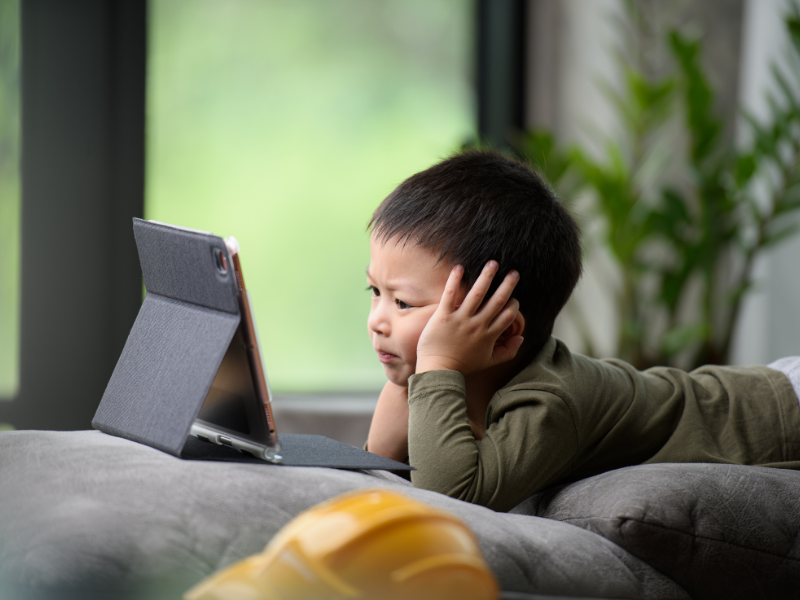
Screens are everywhere, TVs, tablets, smartphones, computers, and gaming consoles are now part of everyday life. Whether it’s watching a show, doing homework online, or playing games, screens can be a great source of learning and fun. But too much of a good thing can quickly become a problem.
For kids, screen time can easily get out of hand, which is why setting healthy boundaries is so important. As parents, we can’t (and probably shouldn’t) eliminate screens altogether, but we can teach our children how to use them in healthy, mindful ways.
Why Screen Time Limits Matter
Technology isn’t bad. In fact, it offers incredible educational tools, creative outlets, and opportunities to connect with others. The challenge is that too much screen time, or the wrong kind of screen time, can interfere with a child’s development.
Research has shown that excessive screen use, especially more than two hours a day, may be linked to language delays, attention issues, and even lower social-emotional skills in young children. When kids spend hours passively watching or scrolling, they miss out on hands-on play, movement, and face-to-face interaction, all essential for healthy growth.
That’s why screen time should be balanced with plenty of “real-world time”, playing outside, reading, building, creating, and connecting with people in person.
For Babies and Toddlers (Under 2 Years Old)
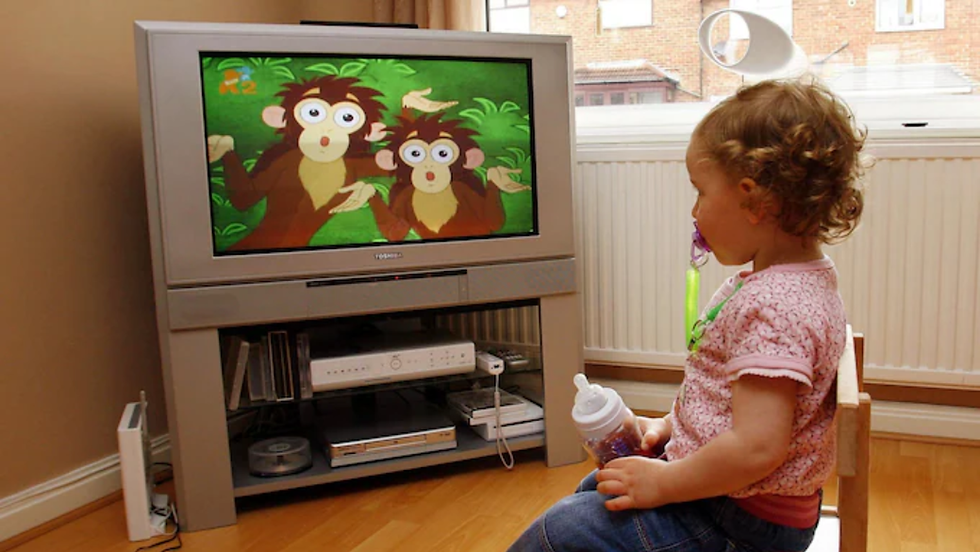
For the youngest children, screens should be extremely limited, or avoided altogether. Babies and toddlers learn best through touch, movement, and human interaction. Their developing brains are wired to absorb information through real-world experiences, not pixels on a screen.
While handing your toddler a tablet might seem like an easy way to keep them entertained, it’s far more beneficial to let them explore the world around them. Reading together, stacking blocks, dancing to music, or simply chatting while you cook dinner provides richer learning experiences than any app can offer.
If you do allow occasional screen use, choose high-quality, slow-paced content and watch together. Talking about what’s happening on screen helps your child connect it to real life and understand it better.
For Preschoolers (Ages 3–4)
At this stage, children are curious, imaginative, and beginning to understand stories and relationships. Limited screen time, no more than one hour per day, is fine, as long as the content is age-appropriate and educational.
Not all kids’ media is created equal. Look for shows or apps that encourage creativity, problem-solving, or movement (like singing and dancing). Co-view whenever possible, sit with your child and talk about what you’re watching together. Ask simple questions like, “What do you think will happen next?” or “How do you think that character feels?” This turns passive viewing into an active learning experience.
Remember, at this age, quality matters far more than quantity.
For School-Age Kids (Ages 5–10)

Once children reach elementary school, screens become a bigger part of life, both for schoolwork and play. Around an hour to an hour and a half of recreational screen time per day is generally a healthy range.
It’s okay to allow a little more if your child is using screens for educational purposes or creative projects. Just be sure to distinguish between learning time and entertainment time.
Keep an eye on what your child is watching or playing. Video games and online videos can range from enriching to inappropriate, so supervision still matters. Encourage a mix of activities, physical play, reading, family time, and downtime without screens.
Setting a household “screen schedule” can help, such as no screens before school, during meals, or an hour before bedtime. This helps create healthy boundaries and routines.
The Hidden Downsides of Too Much Screen Time
Too much screen time can impact more than just eyesight or attention span. It can interfere with sleep, reduce physical activity, and affect mood and social skills.
Children who spend hours on screens may have less patience for slower, real-world experiences and struggle to manage boredom. They may also find it harder to focus on activities that don’t offer instant gratification.
By setting thoughtful limits early on, you’re helping your child build healthy habits that will serve them well into adulthood.
Helping Kids Use Screens Safely
In today’s connected world, kids can access more content than ever before, which makes online safety a top priority. Parental controls, content filters, and privacy settings can go a long way in keeping children protected.
Talk openly about internet safety and the difference between appropriate and inappropriate content. Encourage your child to tell you if they see something online that makes them uncomfortable.
It’s also helpful to have screens in shared family spaces rather than bedrooms. This allows for natural supervision and helps prevent sneaky late-night scrolling sessions.
Striking the Right Balance
Your goal isn’t to ban screens, it’s to help your child develop a healthy, balanced relationship with technology.
Encourage creativity, curiosity, and connection both on and off the screen. Have family game nights, movie nights, and tech-free times where everyone (adults included!) puts down their devices.
When children see that screens are just one part of life, not the main focus, they’re more likely to grow into thoughtful, balanced digital citizens.
Help your child enjoy screens safely while exploring, learning, and having fun. Discover more ways to support balanced family tech habits.


Comments