.png)

Talk to Your Child in Positive Rather Than Negative Ways (Part 2)


How to Turn Power Struggles Into Teachable Moments
If you’ve ever found yourself saying things like “Stop yelling!” or “Don’t talk to me like that!”, you’re not alone. Parenting can be stressful, and when kids push our buttons, it’s easy to react out of frustration. But how we talk to our children shapes not only how they respond in the moment, but also how they learn to communicate and manage emotions in the long run.
Building a more positive and respectful communication style doesn’t mean ignoring bad behavior. It means choosing words that guide and teach rather than threaten, shame, or punish. When children feel respected and understood, they’re more likely to cooperate, and to learn from their mistakes.
Let’s look at some common “negative” phrases parents use and how you can reframe them into constructive, encouraging alternatives.
Instead of “Don’t talk to me like that!”
Try: “I’ll listen when you use a more polite voice.”
This small shift changes everything. The first phrase is reactive, it shuts down conversation. The second invites cooperation and gives your child a clear, respectful boundary. It also models calm communication, teaching them how to express themselves without yelling or being rude.
When your child is frustrated or angry
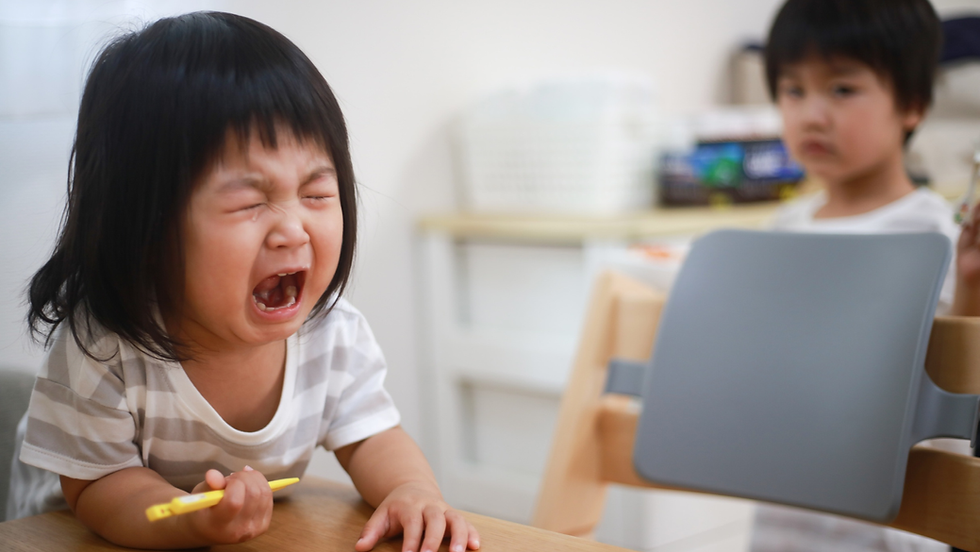
Instead of scolding, say: “It looks like you’re having a hard time. Would you like some help?”
When emotions run high, children often need empathy before they can regain control. Acknowledging their feelings doesn’t excuse misbehavior, it helps them feel understood, which makes it easier to calm down and make better choices.
Instead of “Stop yelling!”
Try: “Please use a quieter voice.”
The goal isn’t just to stop the noise, it’s to teach self-regulation. When you model calm, polite language, you’re showing your child how to handle frustration without shouting. Over time, they’ll start to mirror your tone and approach.
Instead of threatening, “Stop whining or you won’t get any lunch!”
Try: “I’ll give you lunch when you’re sitting nicely at the table.”
This keeps the focus on what to do rather than what not to do. Positive direction is easier for kids to follow. It also turns the situation into a learning moment about manners and self-control, not a power struggle.
If your child keeps interrupting
Avoid: “Stop interrupting me!” Say: “I’ll be ready to listen to you once I finish talking to your sister.”
This approach sets a respectful boundary while showing how to wait their turn. You’re modeling polite conversation skills, which will help them interact more respectfully with others too.
When your child gets physically aggressive
Instead of shouting or punishing, try: “Please use gentle hands.”
This simple phrase communicates both expectation and care. It reminds your child what kind of behavior is acceptable without escalating the situation. Over time, “gentle hands” becomes a familiar cue that helps them pause and think before acting.
Instead of “You better share or no lunch!”
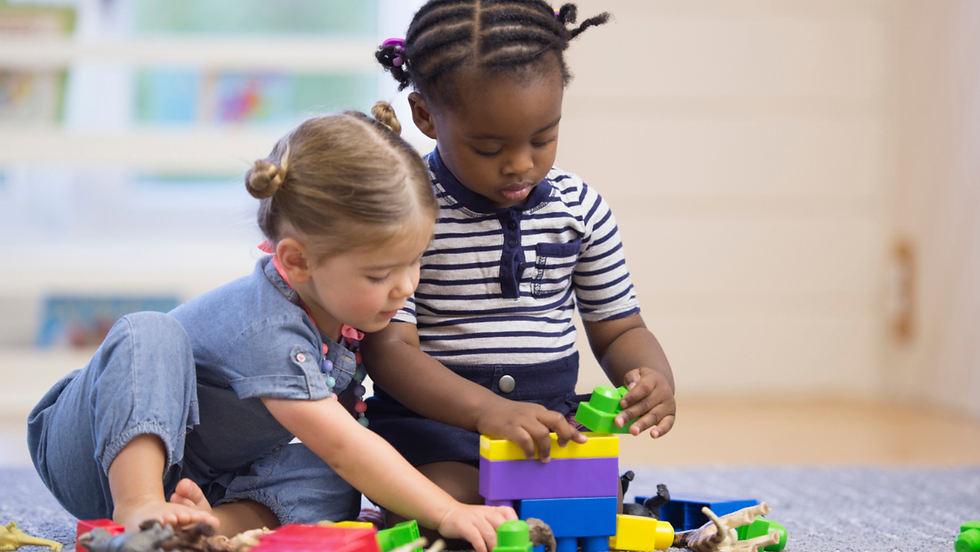
Say: “Lunch is for children who can share their toys with others.”
This reframes sharing as a positive, social behavior that earns privileges rather than avoiding punishment. It connects kind behavior with positive outcomes, a more effective motivator than fear of losing something.
If your child says something unkind
Instead of reacting harshly, calmly guide them with: “Please use kind words,” or “Can you say that in a more polite way?”
Children don’t automatically know how to handle conflict kindly, they learn it through modeling. Gentle corrections like this teach them empathy, compassion, and how to repair relationships.
When your child keeps asking for a snack
Avoid: “Stop asking or you won’t get anything!” Say instead: “You can have a snack at 10:00. After that, we’ll wait until lunch.”
By setting a clear, consistent boundary, you give your child predictability and structure, two things that make them feel secure. You’re also teaching patience and delayed gratification, which are important life skills.
When your child grabs a toy
Instead of scolding, model what to say: “You can ask for the toy like this: ‘When you’re done, may I have a turn?’”
Children learn best by example. When you calmly show them the right words to use, you’re giving them tools to handle conflict peacefully and communicate their needs respectfully.
If toys are being used inappropriately
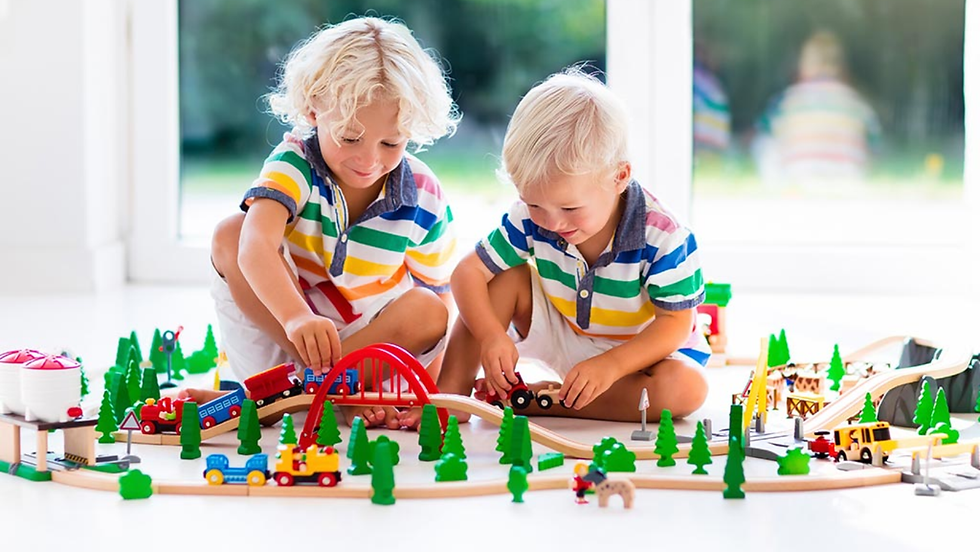
Rather than shouting, “Stop that!” try: “Toys are not for throwing,” or “Those toys need to stay on the ground.”
These clear, calm corrections communicate expectations without blame or shame. The tone matters just as much as the words, when you stay calm, your child is more likely to listen and learn.
Why Positive Language Matters
These small shifts in language may seem simple, but they have a powerful impact. Positive phrasing helps your child learn what to do instead of only hearing what not to do. It encourages cooperation, builds self-confidence, and strengthens your relationship.
When you respond calmly and respectfully, even in frustrating moments, you model emotional control, empathy, and problem-solving. Over time, your child will begin to use those same skills with others.
Remember: being a positive parent doesn’t mean being a perfect one. We all lose our patience sometimes. What matters is trying again the next time, with warmth, respect, and a genuine desire to teach, not punish.
The way we speak to our children becomes their inner voice. When that voice is encouraging, respectful, and kind, it helps them grow into confident, compassionate people who know how to communicate well with others, and with themselves.
If you want to build calmer, more respectful communication at home, consistent practice makes all the difference. Discover simple ways to strengthen connection and guide your child through tricky moments with empathy, starting with everyday conversations. Learn more through Positive Parenting Guides that support healthier communication and emotional growth for your family.


Comments