.png)

Helping Children Cope with Fear: Gentle Ways to Build Courage
- Andy Whitney

- Jun 29
- 4 min read

Every child feels afraid sometimes. Whether it’s fear of the dark, monsters under the bed, or sleeping alone, childhood fears are a completely normal part of growing up. As adults, it’s easy to forget how real and powerful those feelings can be. To us, it might seem irrational, after all, we know there’s nothing hiding in the closet! But to a young child with an active imagination, the fear feels very real.
The good news? With a little patience, empathy, and consistency, parents can help their children navigate fear in a healthy way, building both comfort and confidence in the process.
Understanding Where Fear Comes From
Fear is a natural human response, it helps us stay safe. For young children, though, it often stems from imagination rather than actual danger. Their developing brains are busy trying to make sense of the world, and they haven’t yet learned how to separate fantasy from reality. That’s why things like shadows, noises, or dark corners can feel scary.
As a parent, your goal isn’t to make the fear “go away” instantly but to help your child feel seen, supported, and safe. When children know their feelings are valid and that you take them seriously, it builds trust, and that trust becomes the foundation for emotional resilience later in life.
Listen First, Reassure Second
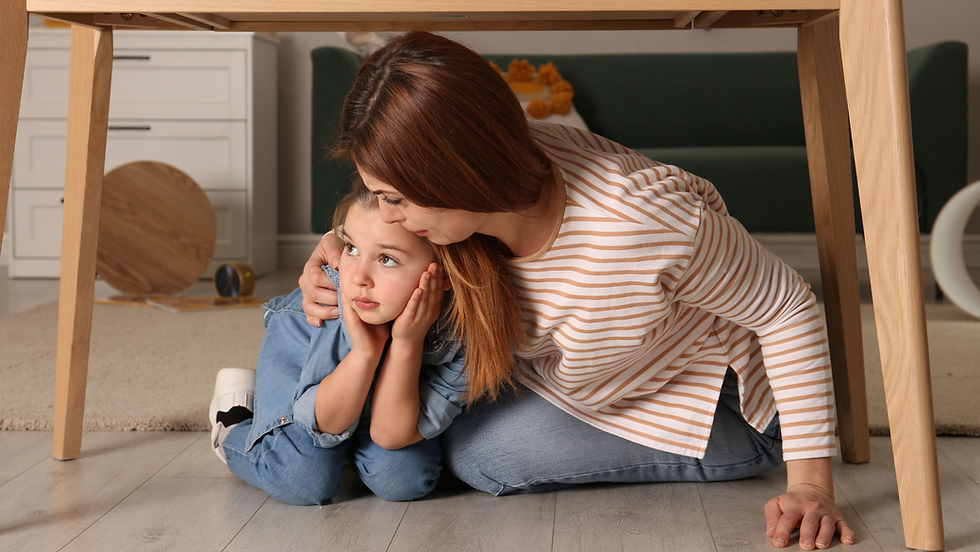
When your child comes to you scared, start by listening. Ask gentle questions like:
“Can you tell me what’s making you feel afraid?”
“When do you feel the most scared, at bedtime, or when the lights are out?”
Sometimes, just talking about it helps release some of the worry. Avoid saying things like, “That’s silly” or “There’s nothing to be afraid of.” While you might mean to comfort, those phrases can make a child feel dismissed or misunderstood.
Instead, try responses like:
“I understand. The dark can feel scary sometimes.”
“I’m here, and you’re safe. Let’s figure out what can help you feel better.”
This approach tells your child that their feelings matter and that you’ll work together to find solutions.
Create Comfort and Security
Children need both emotional and physical reassurance when they’re afraid. At bedtime, offer calm, gentle comfort, a soft voice, a hug, or a few minutes lying beside them until they settle.
If your child often feels uneasy at night, consider introducing a nightlight. A small, warm glow can make the room feel more familiar and less mysterious. Avoid bright lights, though, as they can interfere with sleep.
Soft background music or white noise can also be soothing. Many parents find that gentle lullabies, nature sounds, or calm instrumental tunes help their child relax and drift off peacefully.
Offer a “Comfort Buddy”
A favorite stuffed animal, blanket, or plush toy can provide a powerful sense of security. Encourage your child to cuddle their “brave buddy” whenever they feel nervous. You might even build a little story around it, “Teddy’s job is to watch over you while you sleep.”
For some children, having that tangible comfort object nearby helps them feel brave and in control. Over time, their confidence will grow, and they’ll rely less on external comfort.
Watch What They Watch

What children see on screens, especially close to bedtime, can fuel fears, even in shows that seem harmless. A cartoon monster or tense scene might stick in their imagination long after the TV is off.
To minimize this, keep evening content calm and positive. Choose gentle, age-appropriate shows or stories before bed, and avoid anything intense or spooky. After screen time, give your child a few quiet minutes to transition, maybe read a book, talk softly, or do some deep breathing together.
Empower Your Child with Small Acts of Courage
Helping children face fear isn’t about removing every scary thing, it’s about giving them tools to cope. You can do this gradually. For example, if your child fears sleeping alone, start by sitting with them until they fall asleep. Over time, move to the doorway, then just outside the room, offering praise for their progress along the way.
Each small victory builds confidence. Say things like:
“You did such a great job falling asleep on your own tonight.”
“I’m proud of how brave you were when you turned off the light.”
When kids feel capable, fear loses some of its power.
Be Patient, This Phase Will Pass
Childhood fears are rarely permanent. As your child matures and learns more about the world, their imagination and logic will start to balance out. What matters most is how you respond in the moment.
When your child learns that fear is something they can talk about, not something they need to hide or feel ashamed of, they develop emotional resilience, a skill that will serve them throughout life.
So, take a deep breath, keep your heart open, and remember that fear is part of growing up. With your love, patience, and understanding, your child will eventually feel safe and strong enough to face the dark with confidence.
If you want more gentle guidance on helping your child feel safe, understood, and emotionally supported, you’ll find practical approaches that strengthen confidence at their own pace. Explore our Parenting Support Guide for insights that help you nurture courage and comfort through every stage.


Comments