.png)

Why Children Lie
- Andy Whitney

- Jul 6
- 4 min read
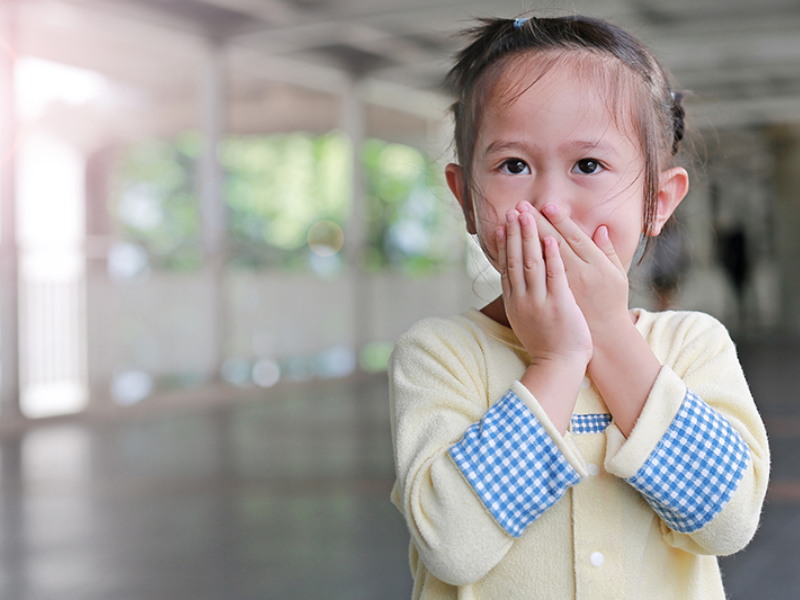
Children lie for a variety of reasons, and their motivations change as they grow. A toddler might tell a tall tale simply because imagination and reality are still blending in their mind. A school-age child might lie to avoid getting in trouble, while a teen might lie to protect privacy or maintain independence.
Here are some of the most common reasons kids lie:
To avoid punishment. They fear your reaction or don’t want to disappoint you.
To get attention. Sometimes a made-up story grabs more interest than the truth.
To test boundaries. Children are curious about what they can “get away with.”
To protect someone’s feelings. They may lie to avoid hurting someone they care about.
To feel important. Boasting or exaggerating can be a way to feel noticed or admired.
Understanding these motivations helps you respond thoughtfully rather than emotionally.
When Lies Are Attention-Seeking

Sometimes a child lies just to get a reaction. Maybe they claim they have a pet tiger or that they scored ten goals at recess. These stories can be more about capturing your attention than being deceitful.
The best response? Don’t overreact. If you respond dramatically with, “That’s not true! You’re lying!” you may unintentionally reinforce the behavior. Instead, keep it light and calm. You might say, “That’s quite a story! It sounds like something from your imagination.” Then gently steer the conversation to something real: “Tell me what really happened at recess today.”
By not rewarding the lie with too much attention, you send a subtle message that honesty, not exaggeration, earns connection.
When Lies Are Mild but Noticeable
For small fibs, like pretending they brushed their teeth or finished their homework, it’s still important to address it, but with empathy. Harsh reactions can make a child defensive and less likely to tell the truth next time.
Try saying something like, “Hmm, that doesn’t sound quite right. Want to try again?” or “That sounds like something from your imagination. Can you tell me what really happened?”
These gentle prompts let your child know you’re aware of the truth but give them a safe space to correct themselves. You’re teaching honesty through connection, not confrontation.
When Lies Are Serious or Intentional
Sometimes a lie has real consequences, like denying they hurt someone, broke something, or took something that wasn’t theirs. In those cases, it’s important to address the behavior clearly and calmly.
Start by helping your child understand why honesty matters. You might say:
“It’s okay to make mistakes, but it’s important to tell the truth so we can fix things.”
“When you’re honest, I know I can trust you, and that’s something we build together.”
Then follow through with appropriate consequences if necessary. For example, your child might need to apologize, repair damage, or lose a privilege for a short time. The goal isn’t to punish harshly, it’s to help them learn responsibility and understand that honesty builds trust.
Praise Honesty, Especially When It’s Hard
When your child does tell the truth, especially about something difficult, make sure to notice and appreciate it. Saying, “I know that was hard to admit, but I’m really proud of you for being honest,” helps reinforce the value of truth-telling.
This kind of positive reinforcement is powerful. Children learn that honesty earns trust, respect, and warmth, not fear or anger. Over time, they’ll start to value honesty for its own sake, not just to avoid getting caught.
Keep Communication Open
If you want your child to be truthful, they need to know they can come to you without fear. Try to stay calm even when you hear something upsetting. The more you react with understanding rather than anger, the more your child will trust you with the truth in the future.
You can encourage openness by saying things like:
“I’d rather hear the truth, even if it’s hard.”
“We can work through mistakes together.”
“Everyone messes up sometimes, what matters is what we do next.”
These phrases remind your child that honesty doesn’t lead to rejection, it leads to connection.
Be a Role Model for Honesty

Children learn most about honesty from watching the adults in their lives. If they see you being truthful, even in small ways, they’ll learn that honesty is the norm.
That might mean admitting when you make a mistake (“Oops, I forgot to call Grandma, I’ll do that now”) or owning up when something doesn’t go as planned. When kids see honesty practiced daily, they internalize it naturally.
The Bottom Line
Lying is a normal part of childhood development, but with patience, empathy, and consistent communication, it’s also an opportunity for growth. Every time your child lies, it’s a chance to teach the importance of honesty, responsibility, and trust.
When you respond calmly and model truthfulness yourself, you help your child understand that mistakes can be fixed, trust can be rebuilt, and honesty is always the best foundation for relationships, at home and beyond.
Need Support Navigating Your Child’s Behavior?
If you’re looking for parenting guidance, child behavior support, or professional help in understanding your child’s emotional needs, you can find more resources and services on our homepage.


Comments